Cells are the basic building blocks of the human body. There are many different types of cells, which make up all the tissues and organs of the body. Each cell contains thousands of genes that act as its control center. Genes provide instructions that determine the role of a cell within the body. Each gene has a unique function, either independently or in combination with other genes.
Cells divide to produce new cells that replace damaged or old cells. As cells multiply, they pass copies of their genetic material to the new cells. The process of cell division and the transfer of genes is usually carefully controlled, ensuring that the right types and numbers of cells are produced for the proper functioning of different parts of the body. Normally, the body and its cells can recognize when something has changed within a cell and work to repair or eliminate abnormal cells.
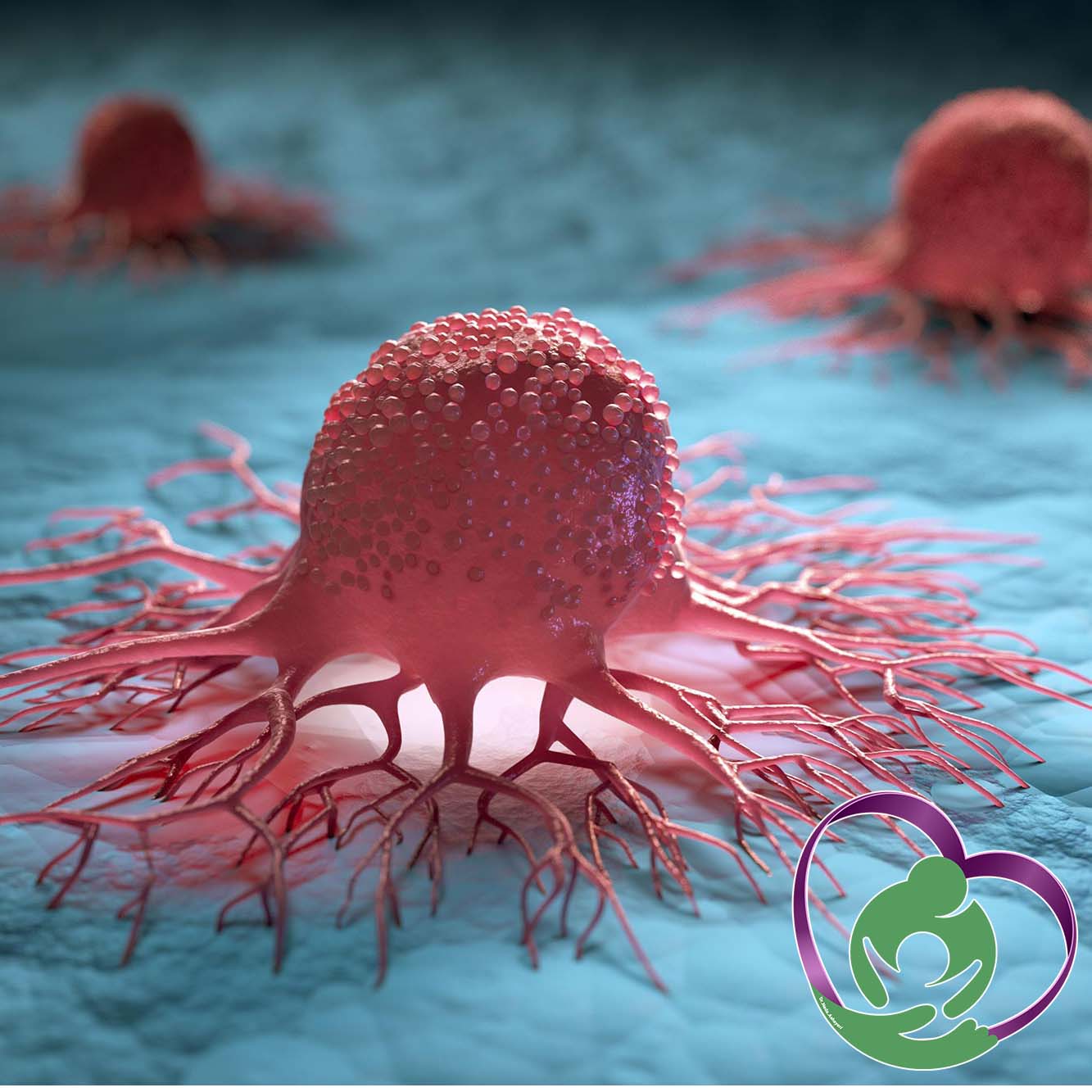
Unfortunately, sometimes cells begin to grow and divide uncontrollably. When this happens, they can damage nearby healthy cells and spread to other parts of the body. This condition is called cancer.
Facts About Childhood Cancer
- Every year, approximately 16,000 parents hear the words, "Your child has cancer."
- Thanks to major scientific advances in this field, the overall survival rate for childhood cancer is now approximately 80%, although survival rates are lower for some rare types of cancer.
- Approximately 36 children are diagnosed with cancer every day. Of every five children diagnosed with cancer, approximately four recover.
- Childhood cancer affects children from all ethnic, gender, and socioeconomic backgrounds. The average age at diagnosis is six years.
- More than 40,000 children receive treatment for cancer each year.
Children's Oncology Group (COG)
Pediatric Hematologist & Oncologist