

In addition to nausea and vomiting, oral mucositis is one of the most common and distressing side effects of cancer treatment.
Mucositis is a painful inflammation and ulceration of the mucous membranes lining the gastrointestinal tract. It can occur as a result of ongoing damage to the gastrointestinal mucosa caused by chemotherapy and radiotherapy.
Mucositis can occur in any part of the gastrointestinal tract.
It may range from a single inflamed mucosal ulcer to extensive and painful ulceration.
The incidence and severity of oral mucositis depend on the medications used and the patient's risk factors.
Fluorouracil, methotrexate, and doxorubicin are among the agents most likely to cause mucositis. Nearly all patients receiving concurrent chemotherapy and radiotherapy develop severe oral mucositis.
Risk Factors for Mucositis:
- Poor oral and dental hygiene
- Oral candidiasis
- Antibiotics
- Corticosteroids
- General debility
- Dry Mouth
- Mouth breathing
- Dehydration
- Anxiety: Psychological factors may be directly associated with the development of oral ulcers. This may be related to their effects on the immune system and the development of aphthous ulcers in some patients. Studies have shown that anxiety can reduce salivary flow and increase the likelihood of developing oral aphthous ulcers. Therefore, any measures that can help reduce a patient's anxiety may also help reduce the risk of oral ulcers.
- Medications: opioids, antihistamines, antimuscarinic medications, antidepressants, and diuretics
- Chemotherapy
- Radiotherapy
- Neutropenia
- Direct damage to the salivary glands due to direct tumor involvement or radiotherapy
- Hypercalcemia or hyperglycemia
- Oral Ulcers
- Infection
- Aphthous ulcers
Mucositis is a complex physiological process consisting of five stages:
- Initiation
- Primary response to injury
- Amplification
- Ulceration
- Healing
Patients receiving chemotherapy usually develop mucositis four to five days after starting treatment. The condition reaches its peak after approximately 10 days and then gradually improves over the following weeks. Oral mucosal inflammation can be extremely painful. The severity of pain is usually related to the degree of tissue damage. Pain often presents as a burning sensation accompanied by redness. Over time, the lesions may become white and develop into ulcers (see image above). Petechiae and ecchymoses may also be visible. The tongue, roof of the mouth, and soft palate are particularly sensitive.
Because of the pain, patients may experience difficulty speaking, eating, or even opening their mouths.
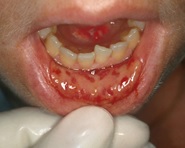
Figure – Mucositis Following Chemotherapy
Possible effects of mucositis include:
- Fever
- Pain
- Difficulty swallowing
- Delay in chemotherapy and radiotherapy
- Loss of appetite and, in some cases, malnutrition
- Increased hospitalization
- Reduced quality of life
Prevention of Mucositis
1. Some studies have shown that the use of glutamine, particularly before radiotherapy, may help prevent radiotherapy-induced mucositis.
2. Cryotherapy may also help prevent chemotherapy-induced mucositis by reducing the penetration of chemotherapy drugs into the oral mucosa. Oral cryotherapy involves keeping the mouth cool with ice, cold water, ice cream, or popsicles during chemotherapy administration.
3. Oral care should include regular rinsing with a dilute salt solution and maintaining good oral and dental hygiene, including gentle tooth brushing and, when tolerated, flossing.
4. Certain foods that may trigger new ulcers or prolong healing should be avoided. These include nuts, chocolate, fruit juices, acidic foods, salty foods, hard foods, and spicy foods.
5. Oral hygiene products, including toothpaste, mouthwash, and breath fresheners, containing sodium lauryl sulfate should be avoided.
Treatment of Mucositis
- Good oral and dental hygiene
- Use a sponge or gauze soaked with mouthwash or water to gently clean the gums and teeth
- Clean the oral cavity gently with a soft toothbrush
- Small pieces of pineapple may be sucked like candy to help clean the mouth
- An antiseptic mouthwash or gel, such as chlorhexidine, may be used
- A dentist should be consulted for removal of hard plaque deposits and instruction in proper oral hygiene
- Nystatin may be used as a topical treatment
- Oral fluconazole once daily may be used with a high rate of success
- Increase water and fluid intake
- Salivary flow may be stimulated with ice chips, chewing gum, citrus-flavored candies, or beverages
Other measures that may be considered under medical supervision:
1- Topical Anesthetics
The use of 2% topical lidocaine spray, gel, or solution, or diphenhydramine syrup used as a mouth rinse for several minutes before meals, may help relieve pain associated with mucositis.
2- Antimicrobial Treatments
Mouthwashes containing compounds with mild antimicrobial effects may be used. By helping prevent secondary microbial infections, they may promote faster healing of ulcers. Studies have shown that chlorhexidine-containing mouthwashes may be beneficial when applied to oral ulcers.
Antibiotics may be effective in relieving symptoms caused by secondary infection of oral ulcers. Topical tetracycline may effectively reduce pain and shorten the duration of ulcers.
3- Sucralfate
Sucralfate has a topical protective effect on ulcerative lesions by adhering to the mucous membrane and forming a protective barrier over the affected area, which can help reduce pain.
4- Natural Therapies
Because the chemical treatments mentioned above may have various side effects, natural therapies are increasingly being considered by patients. These treatments may be used either systemically or topically. Examples of topical natural products that have been used as mouth rinses include chamomile (Persica solution), Shirazi thyme, mint, myrtle, camel thorn distillate, and rose water.
Pediatric Hematologist & Oncologist