
Chemotherapy can create an environment in the mouth that may lead to a variety of oral health problems. These problems may include advanced gum infections and dental abscesses, which can alter taste, affect the tongue, and lead to extensive tooth decay. While many of these problems can be treated relatively easily, they may sometimes become more complicated during chemotherapy.
Many dentists are unable to perform routine dental procedures, such as fillings or tooth extractions, during chemotherapy. This means that some dental problems may need to be managed during treatment until they can be treated appropriately. This can cause prolonged discomfort and may lead to more serious complications.
However, many of the oral health problems that may occur during chemotherapy can be prevented. Regular dental care and follow-up with a dentist are recommended throughout treatment.
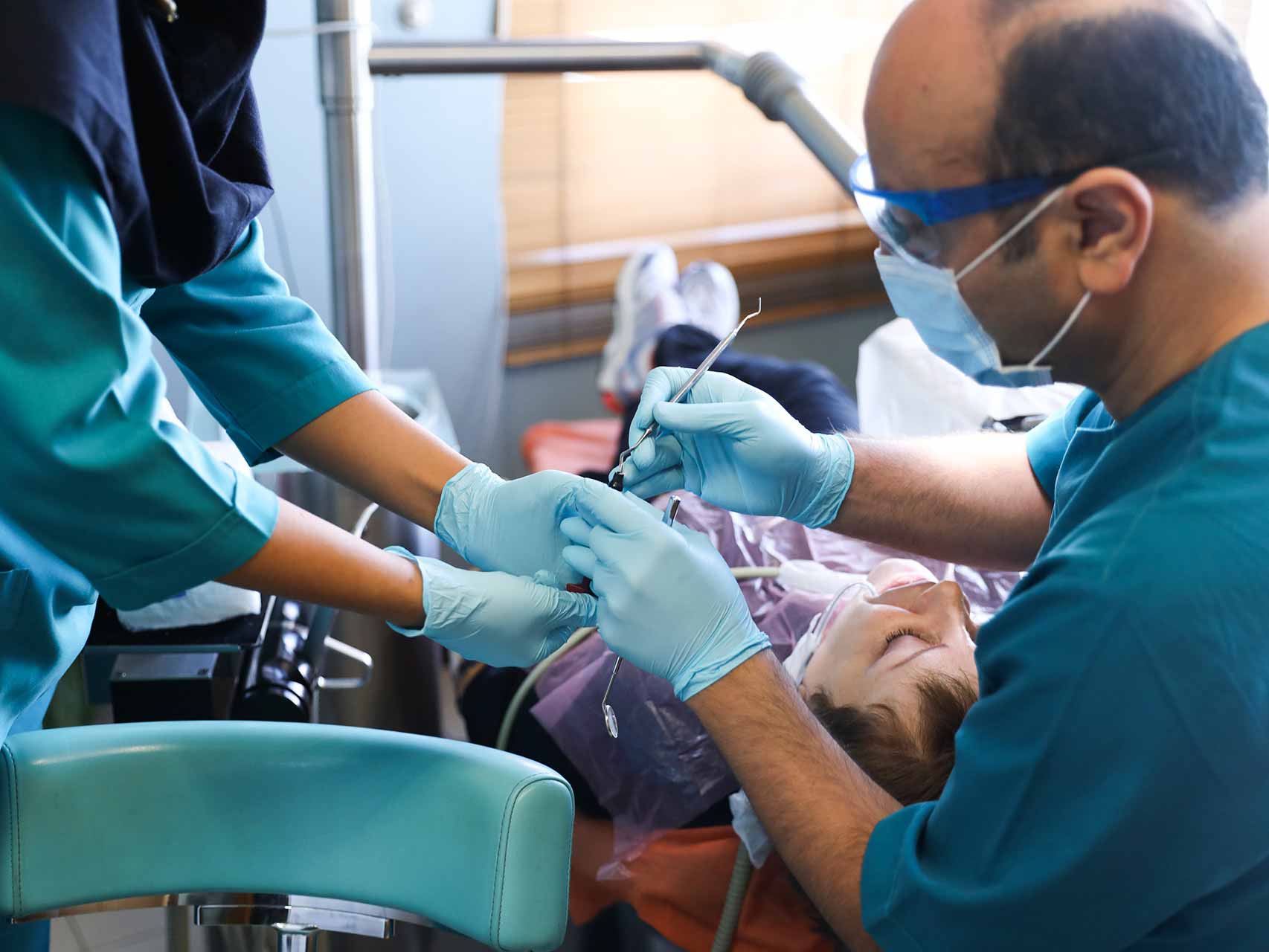
Tooth extraction is one of the most commonly recommended dental treatments before starting chemotherapy.
There are two main reasons why a dentist or oral surgeon may recommend removing damaged teeth before chemotherapy begins. The first is that some teeth may be at increased risk of complications and may eventually need to be extracted. The second is to reduce the risk of dental infection and its progression due to tooth decay.
Treating dental decay in patients with cancer can be challenging. Therefore, many dentists and oral surgeons recommend addressing severely damaged teeth before they cause complications during cancer treatment.
The risk of tooth decay may increase during chemotherapy. This is partly related to dry mouth, a common side effect of chemotherapy that can create an environment favorable for bacterial growth.
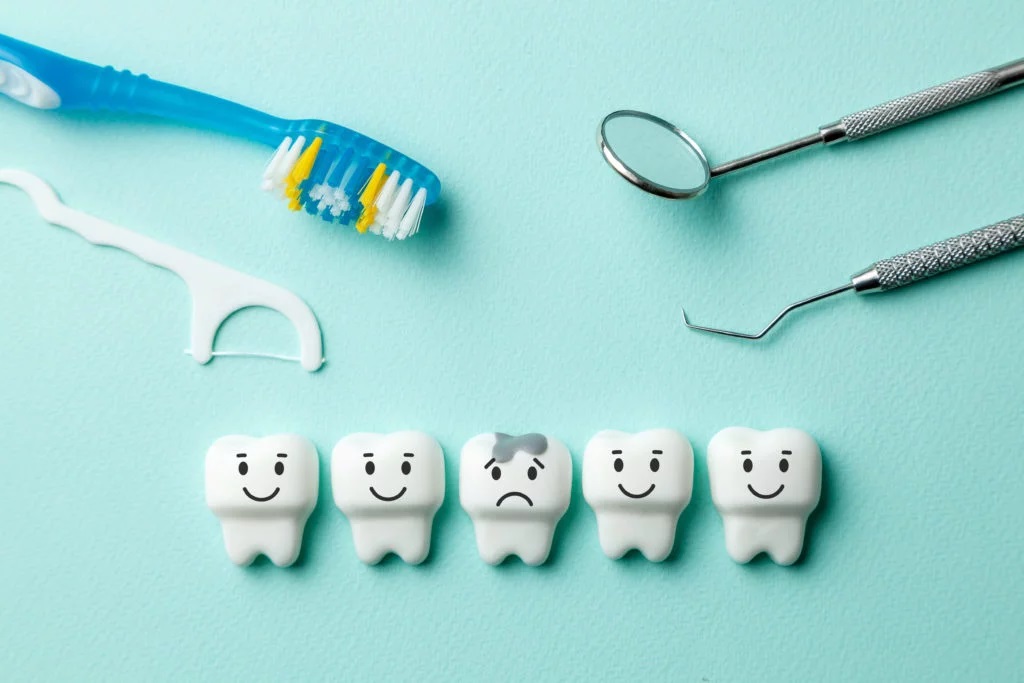
Ways to Maintain Good Oral and Dental Health During Chemotherapy:
- Brush your teeth at least three times a day and floss regularly. Make sure to use a soft-bristled toothbrush during chemotherapy.
- Avoid acidic or sugary drinks. Instead, try to drink plenty of water to help wash bacteria away from your mouth.
- Use a mouthwash recommended by your dentist to help prevent dry mouth.
- Follow a sugar-free or low-sugar diet.
- Try to prevent oral sores from developing or becoming worse.
Dr. Neda Ashayeri
Pediatric Hematologist & Oncologist
Reproduction of this content is permitted with proper attribution to the author and a link to the website.