

Candida esophagitis is inflammation of the esophagus caused by the Candida fungus. It is the most common cause of infectious esophagitis.
Candida Infection
Candida species are opportunistic organisms that normally live on the skin and mucous membranes of the body, including the mouth. In some circumstances, however, they can cause esophagitis. Candida infection, commonly known as thrush, can affect the mouth, throat, and esophagus. Candida is the most common cause of fungal esophagitis, with Candida albicans being the most common species. Candida can cause inflammation of the mouth, throat, and esophagus in both people with normal immune function and those with weakened immune systems.
Oral candidiasis, also known as pseudomembranous candidiasis or oral thrush, appears as a white coating on the oral mucosa. When the white coating is removed, an inflamed and red underlying surface may be visible.
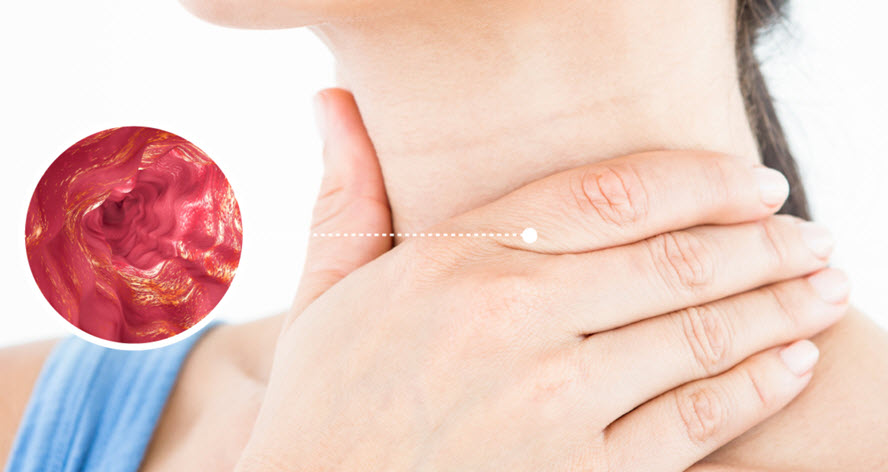
Symptoms of Candida Esophagitis
Patients with Candida esophagitis may have no symptoms or may experience nausea and vomiting, painful swallowing, and difficulty swallowing. Oral thrush may not always be present.
Candida esophagitis is more commonly seen in the following groups:
- Infants
- Older adults
- Patients with HIV infection
- Patients undergoing chemotherapy
- Patients using inhaled corticosteroids
- Patients with esophageal narrowing, such as achalasia

Diagnosis of Candida Esophagitis
Endoscopy is one of the most useful diagnostic methods. During endoscopy, Candida infection appears as raised white plaques in the esophagus. Microscopic examination of samples taken from these plaques may reveal yeast forms or hyphae. Histopathologic studies are often negative. Culture is not essential for diagnosis but may help identify the Candida species and determine its antifungal susceptibility.
Treatment of Candida Esophagitis
Oral fluconazole: 200 mg on the first day, followed by 100 mg daily for 7–14 days.
Dr. Neda Ashayeri
Pediatric Hematologist & Oncologist
Reproduction of this content is permitted with proper attribution to the author and a link to the website.