
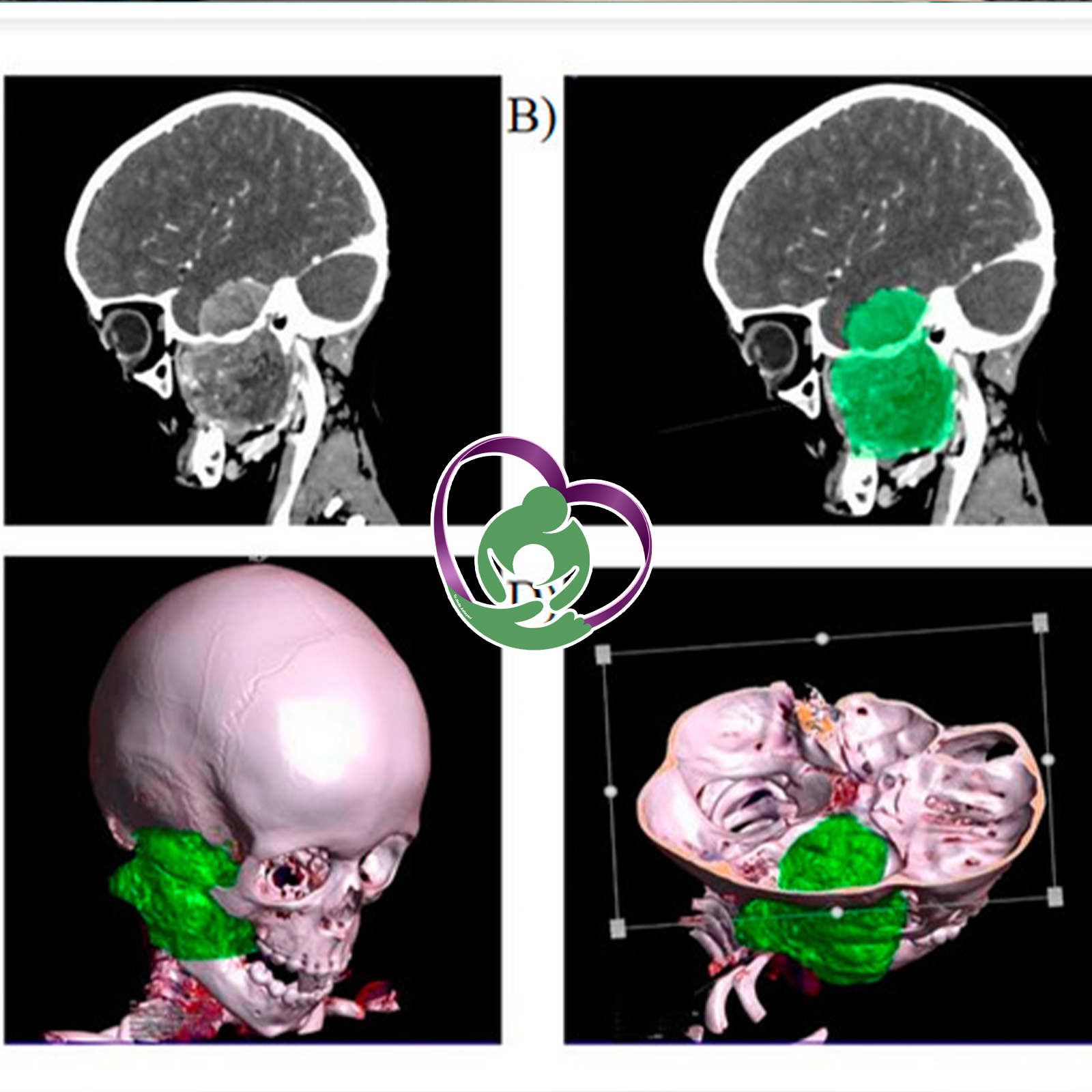
Rhabdomyosarcoma is the third most common solid tumor in children. It is a type of soft tissue sarcoma that originates from mesenchymal cells. Mesenchymal cells are immature cells that normally develop into muscle cells.
Rhabdomyosarcoma is more common in children and young people and can occur anywhere in the body, including:
- Head and neck: approximately 40% of all cases of rhabdomyosarcoma in children, including parameningeal sites (near the coverings of the brain) 25%, the orbit 8%, and other head and neck sites 7%.
- Urinary and reproductive organs: approximately 30% of cases.
- Arms and legs: approximately 15% of cases.
- Other sites: approximately 15% of cases, including the trunk, intrathoracic areas (within the lungs and/or chest), biliary tract, retroperitoneum, pelvis, and perineal regions.

Types of Rhabdomyosarcoma
Based on the histology of the tumor, rhabdomyosarcoma is classified as having either favorable or unfavorable histology. These terms refer to the appearance of the cancer cells. In general, the more closely the cancer cells resemble normal cells, the more favorable the tumor is considered to be, and the better the chances of successful treatment.
Tumors with favorable histology include:
Embryonal rhabdomyosarcoma: The most common type of rhabdomyosarcoma, commonly occurring in the head and neck as well as the genital and urinary organs.
Botryoid rhabdomyosarcoma: A type of embryonal rhabdomyosarcoma that often develops in hollow organs such as the bladder or vagina.
Spindle cell rhabdomyosarcoma: Another type of embryonal rhabdomyosarcoma that often occurs around the testes in boys.
Tumors with unfavorable histology include:
- Alveolar rhabdomyosarcoma: The most aggressive type of rhabdomyosarcoma, often occurring in the arms, legs, and trunk.
- Pleomorphic and undifferentiated rhabdomyosarcoma: The rarest type of rhabdomyosarcoma in children, more commonly affecting the arms, legs, and trunk. This type is more common in adults.
Symptoms
The early symptoms of rhabdomyosarcoma vary depending on where the disease begins. They are usually related to a mass at the site of origin or pressure caused by the tumor on nearby organs.
For example, an abdominal mass and difficulty urinating may indicate involvement of the bladder, while bulging or displacement of the eye may indicate involvement of the orbital region. These are examples of common symptoms of this disease.
Treatment
Treatment options include chemotherapy and, in selected cases, radiation therapy. Since early diagnosis is associated with a higher chance of successful treatment, it is recommended that children with concerning symptoms be evaluated by a specialist as soon as possible.
Dr. Neda Ashayeri
Pediatric Hematologist & Oncologist
Reproduction of this content is permitted and ethical when the author and website link are properly credited.