
ITP - Immune Thrombocytopenia (Immune Thrombocytopenic Purpura)
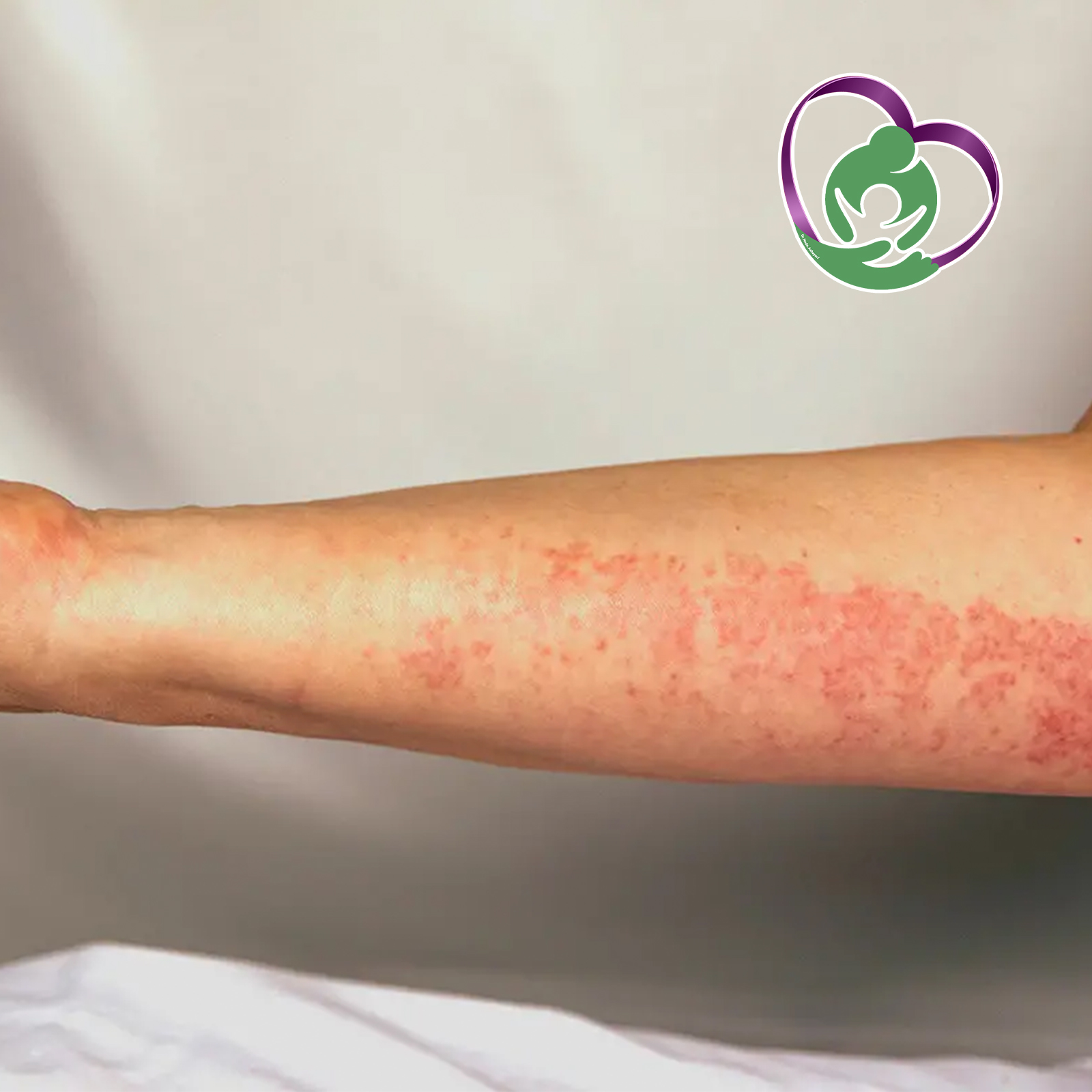
ITP - Immune Thrombocytopenia (Immune Thrombocytopenic Purpura) is the most common cause of low platelet counts in children.
Prevalence:
ITP occurs in approximately 1 in every 20,000 children. In many cases, antibodies against the surface of platelets are produced about 1 to 4 weeks after a viral infection. These antibodies cause platelet destruction, resulting in a low platelet count. The most common age of onset is between 1 and 4 years, although ITP can occur at any age, from infancy through adolescence. Boys and girls are affected equally, and the condition is seen more frequently toward the end of winter and during spring.
Clinical Symptoms:
ITP most commonly presents as small red spots on the skin (petechiae), and sometimes as bruising or nosebleeds. Bleeding from the gums or other parts of the body may also occur. However, severe bleeding is generally uncommon.
Treatment:
ITP is usually a self-limiting condition. However, treatment is generally started when the platelet count is below 20,000/µL. Treatment commonly includes IVIG (intravenous immunoglobulin) and corticosteroids. If there is no adequate response, other medications may be considered. During treatment, until the platelet count returns to normal, the child should avoid strenuous or high-risk activities that could lead to injury or bleeding.
In approximately 80% of cases, the child recovers within a maximum of 6 months. In some cases, however, the condition may become chronic.
Dr. Neda Ashayeri
Pediatric Hematologist & Oncologist
Reproduction of this content is permitted and ethical when the author and website link are properly credited.