
Nausea and Vomiting in Pediatric Palliative and Supportive Care
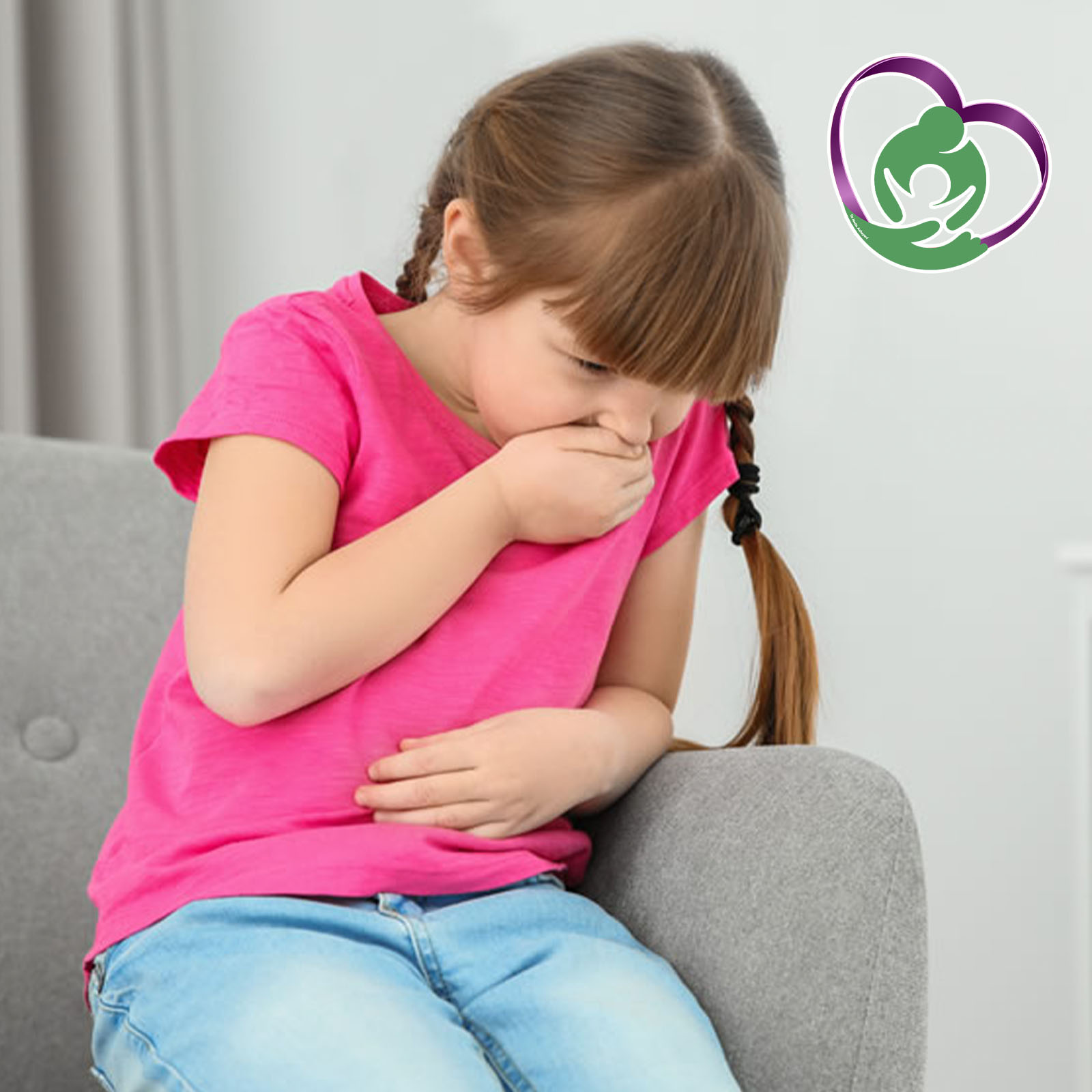
Introduction:
Nausea and vomiting are not diseases themselves, but symptoms of many conditions, including gastrointestinal inflammation or infections, food poisoning, motion sickness, overeating, intestinal obstruction, head injury, appendicitis, migraine, and medication side effects.
Nausea is an unpleasant sensation in the stomach that is usually accompanied by the feeling of needing to vomit, although it does not necessarily lead to vomiting. Vomiting is the forceful emptying of stomach contents through the mouth, either voluntarily or involuntarily.
Repeated nausea and vomiting can affect both the physical and psychological well-being of a child. They can limit physical activity, making it difficult for the child to attend school or play with friends. Over time, this may reduce the child's self-confidence and negatively affect their quality of life.
Etiology:
Some causes of nausea and vomiting in children with cancer include:
- Opioid use
- Constipation and bowel distension
- Previous or current radiotherapy
- Chemotherapy medications such as vincristine or other alkaloids

Assessment of Patients with Nausea and Vomiting:
Proper assessment of the patient is necessary for effective control of nausea and vomiting.
After taking a detailed medical history, the following should be assessed:
- Assessment of the patient's hydration status
- Systematic physical examination
- Presence of oral ulcers or mucositis
- Abdominal examination for obstruction, constipation, and ascites
- Assessment of signs of anxiety, such as tachycardia and facial changes
- Blood tests to rule out hypercalcemia or uremia, depending on the patient's condition, prognosis, and goals of care
Note: Paying attention to the type and characteristics of nausea and vomiting is important when selecting appropriate and effective treatment.
Based on the characteristics of nausea and vomiting, the underlying cause can sometimes be suspected:
1. Large-volume vomiting followed by relief of nausea: Gastric stasis or a large amount of food in the stomach.
2. Vomiting immediately after eating or drinking: Esophageal obstruction.
3. Morning vomiting: Increased intracranial pressure, particularly when accompanied by headache.
4. Nausea and vomiting immediately after movement: Motion sickness.
5. Intermittent nausea that improves with distraction: Anxiety.

Non-Pharmacological Management
The patient should preferably avoid the following foods:
Fatty, oily, or fried foods; very sweet foods such as candy, chocolate, and concentrated syrups; highly spiced or hot foods; and foods with strong odors.
In general, carbohydrate-based foods are better tolerated. Cold and carbonated beverages may also be better tolerated than other cold beverages.
Helpful Recommendations for Reducing Nausea and Vomiting:
1. Eat small amounts of food slowly at each meal. Eat before you become hungry, as hunger can worsen nausea.
2. Chew food thoroughly and remain relaxed while eating.
3. Practice techniques that reduce stress and emotional tension, such as mindfulness, meditation, and deep breathing.
4. Ask your doctor about antiemetic medications to help control nausea and vomiting.
5. Choose easily digestible foods and foods that are well tolerated by the stomach, including toast, biscuits, pretzels, cake, yogurt, fruit ice cream, fluids, diluted syrup, boiled potatoes, rice, pasta or noodles, boiled or grilled skinless chicken (not fried), fruits, vegetables, and non-carbonated beverages.
6. Drink less water with meals. Drinking fluids with meals may cause a feeling of fullness and bloating.
7. Drink water slowly and in small amounts. Using a straw may be helpful for this purpose.
8. Consume foods and beverages at room temperature or colder. Hot foods may worsen nausea.
9. Rest after each meal, as activity may slow digestion. The best position for resting is sitting for approximately one hour after eating.
10. If you experience morning nausea, eat dry bread or biscuits before getting out of bed.
11. Wear loose and comfortable clothing.
12. If nausea consistently occurs during radiotherapy or chemotherapy, avoid eating for 1 to 2 hours before starting treatment.
If Vomiting Occurs:
1. Until the child's vomiting is controlled, avoid eating or drinking completely.
2. Once vomiting has stopped, start with small amounts of clear fluids such as water.
Start with one dessert spoon every 10 minutes. Gradually increase the amount to one tablespoon every 20 minutes and eventually continue with two tablespoons every 30 minutes.
3. Once the stomach is able to tolerate clear fluids, soft foods or a light diet, such as fresh fruit juices, may be introduced.
Dr. Neda Ashayeri
Pediatric Hematologist & Oncologist
Reproduction of this content is permitted and ethical when the author and website link are properly credited.