
CAR-T Cell Therapy: A New Hope in Childhood Cancer Treatment
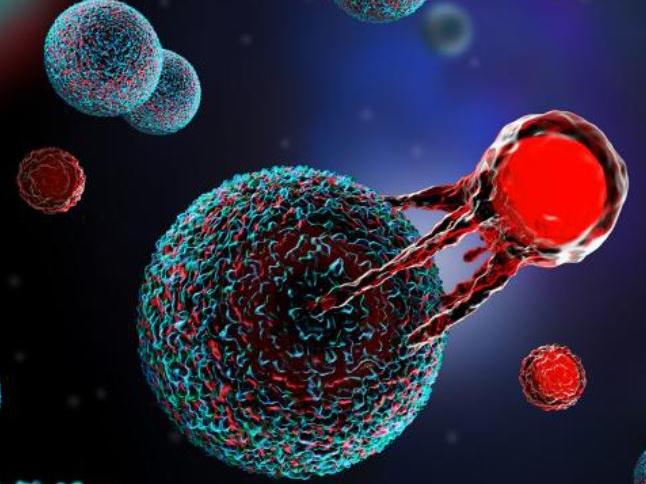
CAR-T cell therapy is one of the newest and most advanced approaches to treating cancer in children. It works by harnessing the body's own immune system to target cancer cells. In this article, we explain in simple terms how this treatment works, which patients may benefit from it, and what its potential benefits and side effects are.
What Is CAR-T Cell Therapy and How Does It Work?
CAR-T cell therapy is an innovative cancer treatment that uses the patient's own immune cells to fight cancer.
In this treatment, a sample of T cells, which are part of the body's immune system, is collected from the child's blood. In the laboratory, these cells are genetically modified so that they can recognize and destroy cancer cells.
Once prepared, the modified T cells are infused back into the child's body, where they can help the immune system target and fight cancer more effectively.
How Is CAR-T Cell Therapy Different from Chemotherapy?
Unlike chemotherapy, which uses powerful medications to destroy rapidly dividing cells, including some healthy cells, CAR-T cell therapy is a highly targeted treatment.
Instead of relying primarily on medication, this approach turns the body's own immune cells into specialized "soldiers" that can recognize and attack cancer cells.
For this reason, CAR-T cell therapy may have a different side-effect profile and can be effective for some patients whose disease has not responded adequately to previous treatments.
Which Cancers Is CAR-T Cell Therapy Used For?
Currently, CAR-T cell therapy is used mainly for certain childhood blood cancers, including:
• Acute lymphoblastic leukemia (ALL)
• Some types of lymphoma
It is particularly used in children whose disease has returned after chemotherapy or bone marrow transplantation.
Studies have shown that a significant proportion of patients may achieve prolonged remission following this treatment.
Possible Side Effects of CAR-T Cell Therapy
Like any other medical treatment, CAR-T cell therapy can cause side effects.
Some of the possible side effects include:
• Fever and chills
• Weakness and fatigue
• Low blood pressure or a rapid heartbeat in some cases
These side effects can often be managed, and the medical team closely monitors the child's condition throughout treatment. Specialized centers have protocols in place to prevent and manage serious complications.
The Future of Cancer Treatment with CAR-T Cells
Research into CAR-T cell therapy continues to expand.
Scientists hope that in the future, this approach can be used to treat other types of cancer, including solid tumors in children.
Although this treatment is not currently available in every country, its results in clinical studies have been very promising, making CAR-T cell therapy one of the most exciting developments in modern cancer medicine.
Final Thoughts
CAR-T cell therapy represents an extraordinary advancement in modern medicine. It demonstrates how science can harness and strengthen the body's natural ability to fight diseases such as cancer.
Although this treatment is not yet available to every patient, it may play an increasingly important role in the treatment of children with cancer in the years ahead.
Keywords:
CAR-T cell therapy, childhood cancer treatment, new cancer treatment, CAR-T Cell Therapy, leukemia treatment in children, innovative cancer treatments, targeted therapies in pediatric oncology
Dr. Neda Ashayeri
Pediatric Hematologist & Oncologist
Copying this content is permitted and ethical when the author and website link are properly credited.