

Leukemia is a medical term used to describe cancer of the blood cells. Blood cells and platelets are produced in the bone marrow. In leukemia, some newly formed white blood cells fail to mature properly. These immature cells multiply rapidly and become more numerous than healthy blood cells. This process can cause various symptoms in the body. Leukemia is the most common type of cancer in children. Fortunately, compared with adult leukemia, children generally have a better response to treatment and higher chances of recovery.
Bone marrow is a soft, spongy tissue responsible for producing white blood cells, which help defend the body; red blood cells, which transport oxygen and carbon dioxide; and platelets, which help blood clot. Blood cancers develop due to abnormalities in the production and maturation of white blood cells. Depending on whether the lymphoid or myeloid cell line is affected, acute lymphoblastic leukemia (ALL) and acute myeloid leukemia (AML) are the two main types. Although leukemia originates in the bone marrow, it may initially or during the course of the disease involve the central nervous system or the testicles in boys with ALL.
What causes leukemia in children?
The exact cause of childhood leukemia has not been identified. However, some types of childhood leukemia appear to be associated with genetic and environmental factors. In identical twins, if one twin develops leukemia at a young age, the risk of the other twin developing acute lymphoblastic or acute myeloid leukemia is significantly increased.
Children who inherit certain genetic conditions, such as Down syndrome, Klinefelter syndrome, neurofibromatosis, or ataxia-telangiectasia, are also at a higher risk of developing leukemia.
Children who have previously been exposed to medical radiation or chemotherapy for cancer treatment, as well as children who have required immunosuppressive medications after organ transplantation, may have an increased risk of developing leukemia.
In most cases, the factors that contribute to childhood leukemia are beyond the control of parents or children. Most cases of leukemia are caused by non-specific genetic mutations, including changes in genes involved in the growth of blood cells.
Because these genetic changes occur randomly and unpredictably, there is currently no effective way to prevent most types of leukemia. To limit prenatal exposure to radiation, which is considered a potential risk factor, particularly for acute lymphoblastic leukemia, pregnant women or those who may be pregnant should consult their physician before undergoing medical tests or procedures involving radiation, such as X-rays.
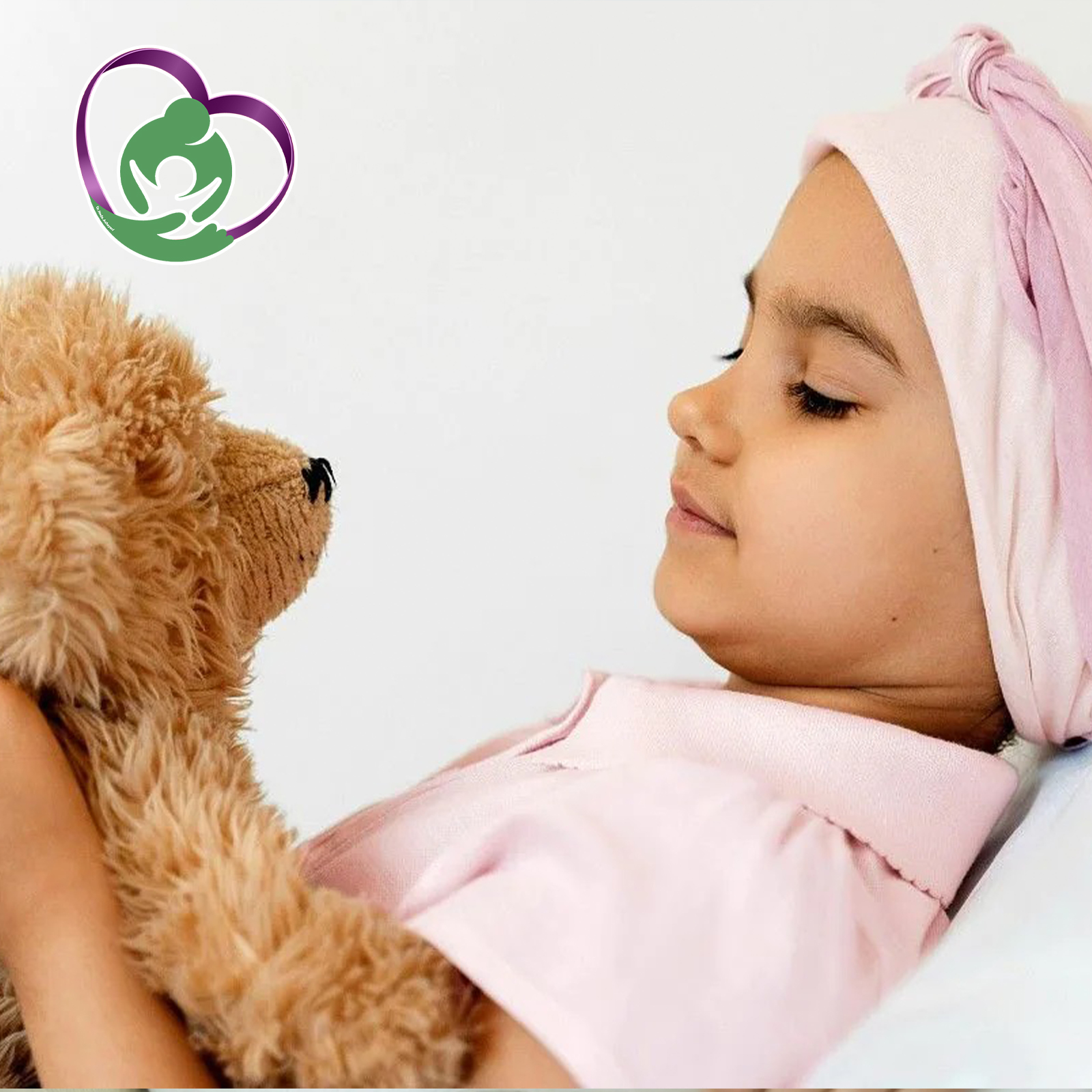
Treatment of Childhood Leukemia
Childhood leukemia can be completely cured in approximately 80 percent of cases. Treatment usually includes chemotherapy and, in selected cases, radiotherapy. The entire treatment course generally lasts about 2 to 3 years. During the first 7 to 8 months, patients usually have more frequent visits and chemotherapy sessions. After this initial phase, the child enters the maintenance phase, most of which consists of taking oral medications at home, allowing greater comfort and flexibility.
How can supportive-palliative care help children with leukemia?
A supportive-palliative care clinic for children, available in some hospitals including Hazrat Ali Asghar Hospital, can support children and their families from the time of diagnosis through the entire course of treatment and even after treatment has ended. This care can help manage physical and emotional symptoms and improve the quality of life of both the child and the family. The team includes a physician, child psychologist, adult psychologist, nutritionist, and social worker. Through a multidisciplinary approach, this team can help address the various challenges faced by the child and family throughout the treatment journey.
Dr. Neda Ashayeri
Pediatric Hematologist & Oncologist
Reproduction of this content is permitted with proper attribution to the author and a link to the website.