

How to Make Your Child’s Hospital Stay Easier
Being in the hospital can have a significant impact on your family. The hospital environment is very different from home. You, your partner, your sick child, and other family members may experience many challenges and intense emotions. Therefore, it is completely understandable to feel afraid and worried.
Plan Ahead
As soon as you know that your child needs to be hospitalized, start planning for it. Even a short hospital stay can be physically exhausting and emotionally difficult. Therefore, before admission, set aside some time to prepare your child and the other members of your family.
1. Prepare your child and their siblings for going to the hospital and explain what to expect. Your child may feel more comfortable by visiting the hospital environment, talking with a doctor, or speaking with other children receiving similar treatment. Books about your child’s illness or being in the hospital can also be helpful.
2. Make arrangements for caring for your other children. You can ask trusted people whom your children know and like to help with their daily activities. Keep the plan flexible and be prepared to make changes when necessary.
3. Inform your child’s school about the situation.
4. Pack the necessary items. Bring clothes, books, toys, and other activities that can keep your child entertained.
5. Make arrangements for household responsibilities as well. Ask friends, neighbors, or relatives to help with things such as watering plants or checking on your home.
Be a Good Role Model
Your child watches how you behave in every situation, and you are their role model. If you are emotionally distressed or uncomfortable, your child is more likely to become distressed as well. Do your best to remain calm. If seeing blood makes you uncomfortable, look away. If you feel weak or light-headed, leave the room for a few moments.
Stay With Your Child
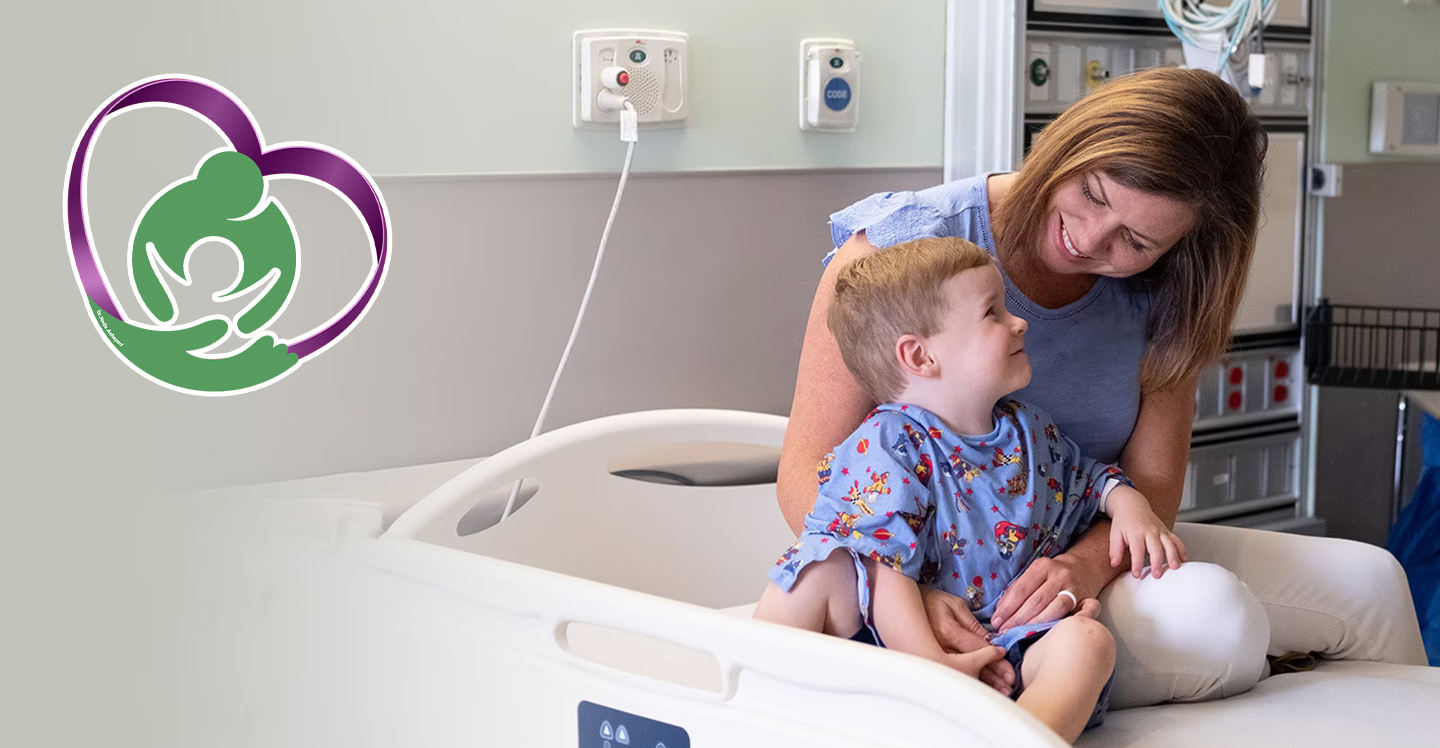
One of the biggest concerns for children in the hospital is being separated from their parents. Staying with your child can provide a sense of comfort, support, and companionship. When parents are present in their child’s room and rest there as well, children often cope better with the situation.
Sometimes it may not be possible for you to stay with your child all the time. In such situations, grandparents, aunts, uncles, or close friends can help. When you are not with your child, provide them with a phone number they can use to contact you whenever they need to talk to you.

Give Your Child a Sense of Control Whenever Possible
Illness, hospitalization, and medical procedures can make children feel as though their bodies are being invaded. Taking responsibility for some aspects of their care may help your child feel better and more in control.
- Sometimes children prefer their parents to help them use the bathroom or change their soiled bed sheets. Keep the child’s bed and room tidy and give your child a gentle massage from time to time.
- Whenever possible, give your child choices. This can help them regain a sense of personal control and independence.
- Older children should be kept informed about discussions regarding their treatment and involved in decisions in an age-appropriate way.
- Younger children can be involved in decisions such as when to take a bath, which hand to use for an injection, choosing a meal, selecting clothes, and deciding how to arrange the room.
- Some children may want to be held or hold their parents’ hands during or after medical procedures.
Keep Your Child Entertained and Happy
There are many things you can do to make a hospital stay less boring and more enjoyable.
- Bring your child’s favorite doll, blanket, or comforter. This can be especially comforting for younger children.
- Watch funny and entertaining movies or cartoons together.
- Bring age-appropriate games, puzzles, books, and other activities.
- If possible, go near the window and spend some time looking outside.
- Bring your child’s favorite pictures and photographs.
Source: Your Child in the Hospital
Translation:
Maryam Homayounpour
M.A. in Clinical Child and Adolescent Psychology
Psychologist, Hematology Department, Hazrat Ali Asghar Hospital
Child Play Therapist and Psychotherapist, Hilan Clinic